US Special Forces Master Sergeant Arrested for Insider Trading on Polymarket Bets on Maduro
Key Takeaways
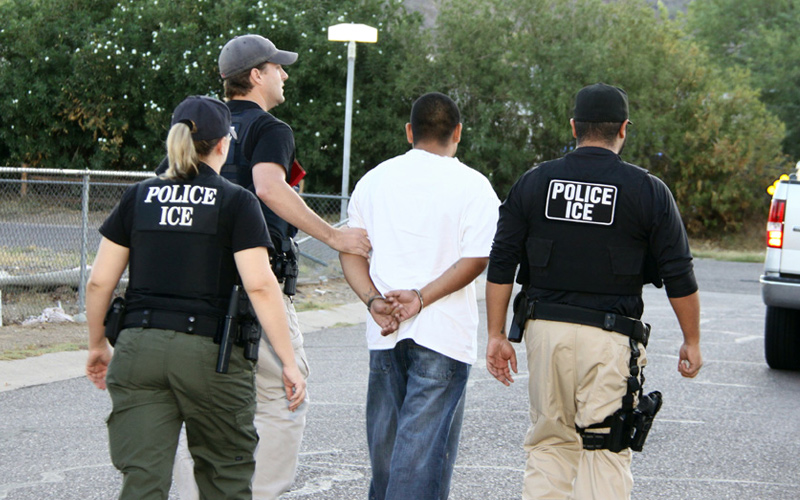
- A U.S. Special Forces Master Sergeant was arrested for alleged insider trading on Polymarket.
- He is accused of using classified intelligence to bet on the capture of Venezuelan President Nicolás Maduro.
- This marks the first U.S. arrest for insider trading on a decentralized prediction market.
- The case highlights new regulatory challenges for DeFi platforms concerning national security and illicit activity.
- Potential charges include wire fraud and misuse of classified government information, carrying severe penalties.
A U.S. Army Master Sergeant from a Special Forces unit has been arrested and charged with allegedly using classified intelligence to profit on a decentralized prediction market, Polymarket. The individual stands accused of making bets related to the potential capture of Venezuelan President Nicolás Maduro, an act federal prosecutors are branding as the first U.S. arrest for insider trading on such an emerging financial platform.
Authorities allege the Master Sergeant, whose name has not been officially released pending further proceedings, leveraged his access to highly sensitive military or intelligence information to predict outcomes on Polymarket. Specifically, the charges center on wagers placed concerning operations targeting President Maduro. This alleged misuse of classified data for personal financial gain represents a significant breach of national security protocols and federal law, raising alarm bells within defense and intelligence communities.
Polymarket operates as a blockchain-based platform where users can bet on future events, ranging from political elections to economic indicators, using cryptocurrency. While proponents argue prediction markets can aggregate dispersed information and provide real-time probability assessments, critics and regulators have consistently raised concerns about their potential for manipulation, illicit financial activity, and the absence of traditional regulatory oversight. The platform itself has previously faced scrutiny from the Commodity Futures Trading Commission (CFTC) regarding its compliance with U.S. derivatives laws.
The alleged bets on a "Maduro raid" come against a backdrop of complex and often strained relations between the United States and Venezuela. The U.S. has long sought a democratic transition in Venezuela, imposing sanctions on the Maduro regime and recognizing opposition figures. While specific details of the classified intelligence allegedly used remain under seal, the nature of the bets points to highly sensitive information pertaining to potential military or intelligence planning regarding Venezuela.
The arrest marks a watershed moment at the intersection of national security, cryptocurrency, and financial regulation. Federal law enforcement agencies are reportedly treating this case with utmost seriousness, aiming to establish a clear precedent against the illicit use of classified information on emerging decentralized finance (DeFi) platforms. Potential charges against the Master Sergeant could include wire fraud, conspiracy, and violations related to the misuse of government property or classified information, carrying severe penalties.
This case underscores the inherent challenges regulators face in monitoring and policing activities on global, decentralized platforms where traditional jurisdictional boundaries and oversight mechanisms are often blurred. The investigation is expected to be extensive, probing the full extent of the Master Sergeant's alleged activities, his specific access to classified information, and the mechanisms by which he placed bets on Polymarket. The outcome could significantly influence how governments and regulatory bodies approach prediction markets and the broader DeFi landscape moving forward, particularly concerning their vulnerability to insider trading and national security breaches.
TRENDING POSTS

AUKUS Unveils Critical Underwater Drone Technology
AUKUS nations advance underwater drone technology to safeguard vital undersea infrastructure and boost naval defense. Discover the strategic implications now.

Trump's Tariffs Take Toll on Las Vegas Tourism
Canadian visitors to Las Vegas plummet 17% due to Trump's tariffs, impacting local economy and upcoming election

Trump Takes Down Cassidy
Trump's revenge campaign claims another scalp as Senator Bill Cassidy falls in Louisiana primary
Spencer Pratt L.A. Mayoral Run: Feud Escalates
Spencer Pratt's L.A. mayoral run heats up with a fiery social media feud against Chelsea Handler. Discover the impact of this celebrity clash.

Trump Diplomatic Nominations: What It Means for Allies
Former President Trump's latest diplomatic nominations for Kari Lake and Doug Mastriano face scrutiny. Discover the implications of these Trump diplomatic nominations.

Starmer's Premiership on the Brink
Starmer's leadership under fire after speech