UK Boosts Contingency Plans Amid Iran Tensions, Eyes Supply Chain Resilience
Key Takeaways
- The UK government is increasing its preparedness for supply chain disruptions due to potential conflict in the Middle East involving Iran.
- Key areas of concern include energy security, critical raw materials, food, and medical supplies.
- Cross-departmental teams are working on scenario planning, strategic reserves, and alternative sourcing.
- The Strait of Hormuz is identified as a critical chokepoint whose disruption could severely impact global trade.
- Plans aim to mitigate economic impacts like inflation and ensure national resilience.
LONDON – The United Kingdom has significantly intensified its contingency planning in response to growing geopolitical tensions surrounding Iran, actively preparing for potential widespread disruptions to global supply chains and subsequent domestic shortages. Government officials are closely scrutinizing national stock levels of essential commodities and strategizing robust measures to mitigate the impact of any potential conflict in the Middle East.
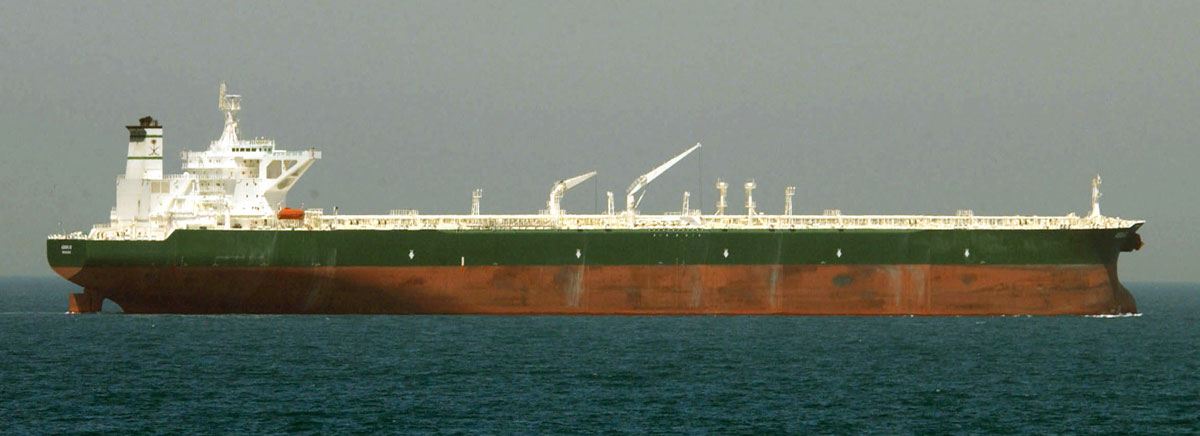
Whitehall sources, speaking on condition of anonymity due to the sensitive nature of the discussions, confirm that cross-departmental teams are engaged in detailed scenario planning. The primary focus areas include energy security, critical raw materials, food supplies, and medical provisions. Concerns center on the potential for conflict to destabilize key international trade routes, most notably the Strait of Hormuz, a critical chokepoint for a significant portion of the world's oil and liquefied natural gas (LNG) shipments. Disruptions in this vital waterway could trigger a rapid escalation in global energy prices and create bottlenecks for myriad manufactured goods and components.
The proactive stance reflects a broader governmental strategy to bolster national resilience against external shocks. Departments such as the Department for Business and Trade, the Department for Energy Security and Net Zero, and the Department for Environment, Food & Rural Affairs are reportedly collaborating to identify vulnerable supply chains and develop alternative sourcing strategies. This includes assessing the capacity of strategic national reserves and exploring diplomatic avenues to secure diversified import channels should traditional routes become compromised.
Economic analysts have highlighted that even the prospect of military action in the Gulf region can introduce significant volatility into global markets, impacting everything from commodity futures to shipping insurance premiums. For the UK, which relies heavily on international trade, prolonged disruptions could translate into inflationary pressures, increased costs for businesses, and reduced availability of consumer goods. The government's current planning seeks to pre-empt these economic repercussions, aiming to safeguard the livelihoods of its citizens and maintain economic stability.
While specific details of the contingency plans remain classified, the emphasis is understood to be on flexibility and rapid response. This includes exploring options for emergency procurement, domestic production ramp-ups where feasible, and public communication strategies to manage expectations and inform citizens effectively. The intensification of these efforts underscores the UK government's assessment of the seriousness of the geopolitical risks emanating from the Middle East and its commitment to national preparedness.
Monitoring efforts are ongoing, with intelligence assessments continuously informing policy decisions. The aim is to ensure that the UK remains resilient in the face of unforeseen international events, protecting its economy and the well-being of its population from the ripple effects of distant conflicts.
TRENDING POSTS

AUKUS Unveils Critical Underwater Drone Technology
AUKUS nations advance underwater drone technology to safeguard vital undersea infrastructure and boost naval defense. Discover the strategic implications now.

Trump's Tariffs Take Toll on Las Vegas Tourism
Canadian visitors to Las Vegas plummet 17% due to Trump's tariffs, impacting local economy and upcoming election

Trump Takes Down Cassidy
Trump's revenge campaign claims another scalp as Senator Bill Cassidy falls in Louisiana primary
Spencer Pratt L.A. Mayoral Run: Feud Escalates
Spencer Pratt's L.A. mayoral run heats up with a fiery social media feud against Chelsea Handler. Discover the impact of this celebrity clash.

Trump Diplomatic Nominations: What It Means for Allies
Former President Trump's latest diplomatic nominations for Kari Lake and Doug Mastriano face scrutiny. Discover the implications of these Trump diplomatic nominations.

Starmer's Premiership on the Brink
Starmer's leadership under fire after speech