$40M Raised for EV Batteries
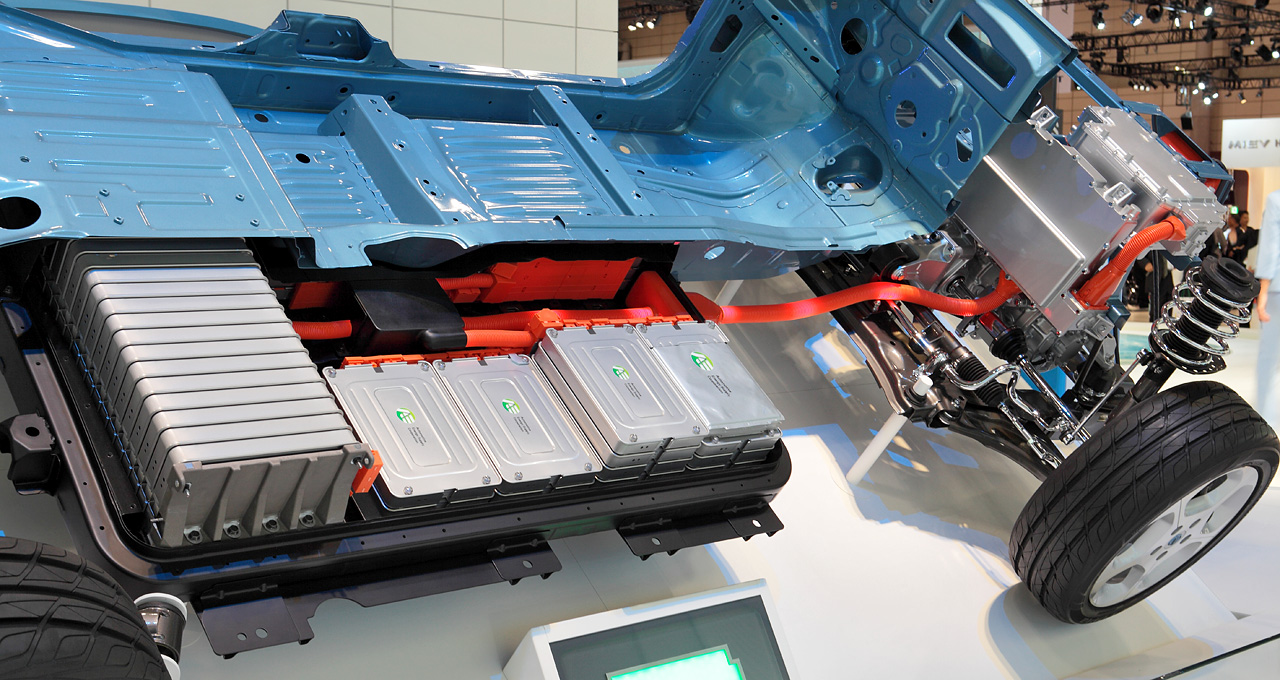
Moment Energy, a Vancouver-based startup, recently announced a significant milestone, securing $40 million in funding to advance its mission of repurposing electric vehicle (EV) batteries for stationary energy storage applications. This substantial investment, confirmed by CEO Edward Chiang, positions the company to address the escalating global demand for power while simultaneously tackling the growing challenge of electronic waste from the burgeoning EV market.
The rapid global transition towards electric vehicles has created a dual challenge and opportunity: managing the eventual end-of-first-life for millions of EV battery packs and meeting the surging demand for reliable, sustainable energy storage. Historically, when an EV battery's capacity degrades to approximately 70-80% of its original state, it is deemed unsuitable for vehicle propulsion due to reduced range and performance. However, these batteries retain significant capacity and utility for less demanding stationary applications, such as grid stabilization, renewable energy integration, and commercial energy management. The concept of "second-life" batteries emerged over a decade ago as a theoretical solution, but only in recent years has technological maturity, market demand, and capital investment converged to make it a commercially viable industry. This shift is critical as projections indicate that by 2030, tens of millions of EV battery packs will reach their end-of-life in vehicles, representing a monumental resource if effectively managed, or a substantial waste problem if not.
The Economic Imperative and Environmental Dividend
Moment Energy's $40 million funding round underscores the growing investor confidence in the economic viability and profound environmental benefits of battery repurposing. The company's strategic focus on extending the useful life of EV batteries addresses two critical global challenges: the "infinite demand for power" cited by CEO Edward Chiang, and the escalating volume of electronic waste. This approach not only creates new value streams from what would otherwise be discarded assets but also significantly contributes to a circular economy model within the energy sector.
Driving Down Costs, Boosting Returns
Repurposing EV batteries offers a compelling economic proposition, primarily by significantly reducing the capital expenditure for energy storage projects compared to deploying new, virgin battery cells. The cost of a second-life battery system can be up to 30-50% lower than a comparable new system, making renewable energy projects, grid-scale storage, and commercial peak-shaving solutions more financially attractive. For EV manufacturers, engaging in repurposing programs can create new revenue channels through buy-back schemes or partnerships, offsetting end-of-life disposal costs and enhancing their sustainability credentials. For utilities and industrial consumers, these systems provide a cost-effective means to improve grid reliability, integrate intermittent renewable sources like solar and wind, and manage energy consumption more efficiently, leading to reduced operational costs and improved energy security. The investment in Moment Energy reflects a broader trend of capital flowing into solutions that promise both ecological stewardship and robust financial returns.
Mitigating E-Waste and Carbon Footprint
The environmental benefits of repurposing are substantial and multifaceted. By diverting EV batteries from landfills or complex recycling processes, Moment Energy directly reduces electronic waste, a rapidly growing global concern. A typical EV battery pack can weigh several hundred kilograms, and processing these materials for recycling is energy-intensive and often involves hazardous chemicals. Extending the battery's lifespan by another 5-10 years for stationary applications delays the need for primary material extraction and manufacturing of new batteries, thereby conserving natural resources and significantly lowering the overall carbon footprint associated with battery production and disposal. According to various industry analyses, repurposing can reduce the lifetime CO2 emissions of a battery by approximately 10-30% compared to direct recycling, by leveraging the embedded energy and materials already consumed during its initial production. This circular economy approach aligns with global sustainability goals and offers a tangible pathway towards decarbonization.
Market Dynamics and Competitive Landscape
The market for stationary energy storage solutions is experiencing explosive growth, driven by the imperative to stabilize grids increasingly reliant on intermittent renewable energy sources, manage peak demand, and enhance energy resilience. Moment Energy's foray into this sector with repurposed EV batteries positions it within a dynamic and competitive landscape, vying with established battery manufacturers and other innovative startups. The global stationary energy storage market, valued at approximately $15-20 billion in 2022, is projected to reach over $50 billion by 2030, indicating a significant addressable market for second-life battery solutions.
Surging Demand for Stationary Storage
The demand for stationary energy storage is fueled by several converging trends. Firstly, the proliferation of solar and wind power necessitates storage to ensure continuous energy supply when the sun isn't shining or the wind isn't blowing. Batteries allow for energy time-shifting, storing excess renewable generation for later use. Secondly, grid operators are increasingly deploying battery energy storage systems (BESS) for ancillary services such as frequency regulation, voltage support, and black start capabilities, enhancing grid stability and reliability. Thirdly, commercial and industrial (C&I) customers are utilizing BESS for demand charge management, peak shaving, and backup power, reducing electricity bills and ensuring operational continuity. Repurposed EV batteries, with their lower cost point, are particularly attractive for these applications, offering a more accessible entry point for various stakeholders looking to adopt energy storage technologies.
Key Players and Emerging Technologies
While Moment Energy is making significant strides, the repurposing sector features a growing roster of players. Companies like ReJoule, Connected Energy, and B2U Storage are also developing solutions for second-life EV batteries, each with unique technological approaches and market focuses. Established battery manufacturers, including Nissan (through its 4R Energy joint venture), Renault, and Daimler, are also exploring or actively engaged in repurposing their own EV batteries, recognizing the value retention potential. The technological landscape is evolving rapidly, with advancements in battery management systems (BMS) crucial for accurately assessing the state of health (SOH) and remaining useful life (RUL) of used batteries, as well as ensuring their safe and efficient operation in a new application. Innovations in modular design and intelligent control systems are also key to making repurposed battery systems scalable and adaptable to diverse energy storage needs.
Challenges, Innovation, and Future Outlook
Despite the immense potential and recent funding successes, the repurposing of EV batteries faces several technical, logistical, and regulatory challenges that require ongoing innovation and collaboration. Addressing these hurdles will be crucial for companies like Moment Energy to scale operations and for the second-life battery market to realize its full potential.
Technical Hurdles and Standardization Needs
One of the primary technical challenges involves the accurate and rapid assessment of used EV batteries. Batteries degrade heterogeneously, meaning individual cells within a pack may have different states of health, making it complex to determine the overall remaining useful life for a new application. Developing robust, non-invasive diagnostic tools and sophisticated battery management systems (BMS) capable of monitoring and optimizing the performance of degraded cells is paramount. Safety is another critical concern; ensuring that repurposed batteries meet stringent safety standards for stationary applications requires rigorous testing and certification. Furthermore, the lack of universal standards for battery design and data sharing across EV manufacturers complicates the process of sourcing, testing, and integrating different types of battery packs into unified storage systems. Industry-wide collaboration on standardization efforts, from battery pack design to data protocols, would significantly streamline the repurposing process.
Regulatory Landscape and Policy Support
The regulatory environment for second-life batteries is still nascent but evolving. Clear guidelines and incentives from governments can play a pivotal role in accelerating market adoption. Policies that mandate or encourage the sustainable management of EV batteries, offer tax credits for energy storage projects utilizing repurposed batteries, or establish clear safety and performance standards would provide much-needed certainty for investors and developers. For instance, some regions are exploring extended producer responsibility (EPR) schemes that could incentivize EV manufacturers to facilitate repurposing. As the industry matures, a coordinated global approach to regulation and policy will be essential to foster a thriving and responsible second-life battery ecosystem, ensuring environmental protection while unlocking economic benefits.
Moment Energy's successful $40 million funding round is a strong indicator of the burgeoning confidence in the second-life EV battery market, positioning the company as a key player in the transition towards sustainable energy solutions. As the global electric vehicle fleet expands exponentially, the volume of decommissioned batteries will present both an environmental challenge and an unparalleled opportunity for resource recovery. Companies like Moment Energy are at the forefront of transforming this challenge into a scalable solution for grid stability, renewable energy integration, and reduced electronic waste. The coming years will likely see continued technological advancements in battery assessment and management, coupled with evolving regulatory frameworks that further support the circular economy model. The trajectory suggests that repurposed EV batteries will become an increasingly integral component of the global energy storage landscape, making a significant contribution to decarbonization efforts and the establishment of a more resilient and sustainable energy future.
Frequently Asked Questions
What is Moment Energy's primary mission?
Moment Energy is a pioneering startup focused on repurposing electric vehicle (EV) batteries for stationary energy storage applications. Their mission is to address the global demand for power by giving these batteries a second life, thereby reducing electronic waste and advancing sustainable energy solutions.
What are the economic benefits of repurposing EV batteries?
Repurposing EV batteries can significantly reduce the capital expenditure for energy storage projects, often by 30-50% compared to new systems. This makes renewable energy integration, grid stabilization, and commercial energy management more cost-effective, creating new revenue streams for EV manufacturers and utilities.
How does repurposing EV batteries contribute to environmental sustainability?
By diverting EV batteries from landfills and delaying complex recycling processes, repurposing reduces electronic waste and conserves natural resources. Extending a battery's lifespan by 5-10 years can lower its lifetime carbon footprint by 10-30%, supporting a circular economy model and decarbonization efforts.
What are the main technical challenges in the second-life battery market?
Key technical challenges include accurately assessing the state of health and remaining useful life of degraded batteries, ensuring safety standards for stationary applications, and the lack of universal standards for battery design and data sharing across EV manufacturers. Robust diagnostic tools and advanced battery management systems are crucial for overcoming these hurdles.
What is the market outlook for stationary energy storage using repurposed batteries?
The market for stationary energy storage is experiencing explosive growth, projected to reach over $50 billion by 2030. Repurposed EV batteries are poised to become an increasingly integral component, offering a cost-effective solution for grid stability, renewable energy integration, and commercial energy management as the global EV fleet expands and more batteries become available for repurposing.
TRENDING POSTS

Xbox Price Increase EU UK: Up to 43% Jump Confirmed
Microsoft confirms dramatic Xbox price increase in EU and UK, with some models rising over 43%. Discover what's driving these changes and their impact.

Claude Data Exposure: Sensitive Chats Found on Google
Claude data exposure: sensitive chats found on Google, sparking concerns about data privacy and security.

Xbox Server Outage: Why Even Your Disc Games Were Blocked
A massive Xbox server outage paralyzed millions, astonishingly even blocking disc-based games. Discover the technical reasons and broader implications.
5 Reasons Why Clayface Will Revolutionize DC Universe Horror Movies
Discover how Clayface's success could change the DC Universe horror movie landscape forever

Pixel 11a Tensor G6: Google's Surprising Chip Upgrade
Amid rumors, the Pixel 11a Tensor G6 could mark a pivotal return to flagship-grade performance, addressing past disappointments. Discover the implications now.

Spotify Parent-Managed Accounts Now Free: What You Need to Know
Spotify is rolling out parent-managed accounts to its free tier. Discover how this crucial feature enhances family safety and reshapes the streaming landscape.