Scott Patterson's *Sullivan's Crossing* Exit: Unpacking the Discrepancy Between Official Accounts and Industry Reports
Key Takeaways
- Scott Patterson's exit from *Sullivan's Crossing* is reportedly subject to conflicting accounts.
- Discrepancies between official statements and actual events can impact public perception and audience trust.
- The incident highlights complex communication challenges and talent management dynamics in television production.
- Transparency surrounding high-profile departures can significantly influence how a show's narrative and future are received.
- The situation underscores the ongoing interest in behind-the-scenes mechanics of television series creation.
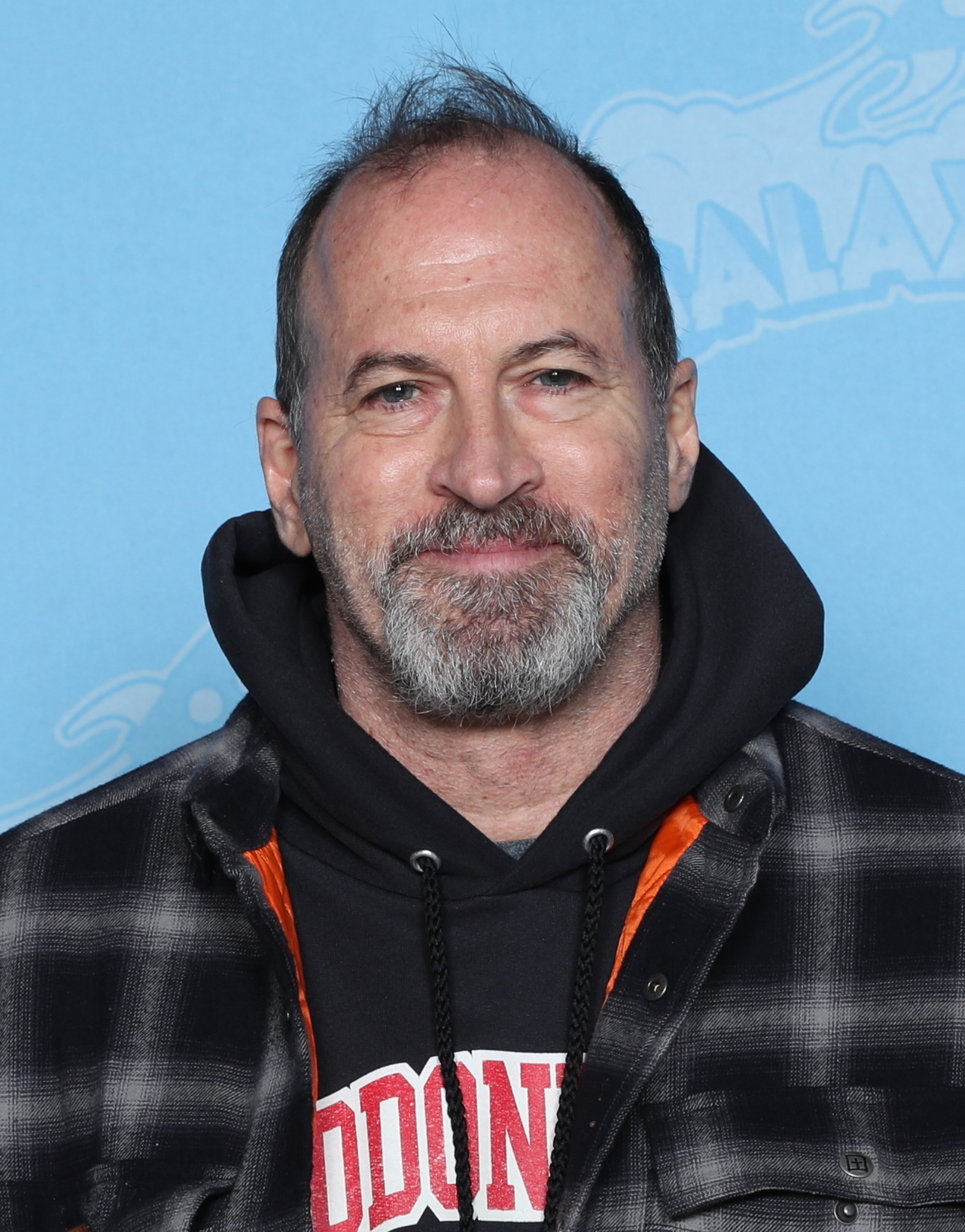
Reports circulating within the entertainment industry suggest that the departure of actor Scott Patterson from the popular series Sullivan's Crossing was not as straightforward as initially portrayed. While the show provided an official narrative regarding Patterson's exit, industry insiders and various accounts indicate that the actual circumstances surrounding his departure diverged from the publicly disseminated explanation, igniting discussion about behind-the-scenes dynamics in television production.
Patterson, a veteran actor known for his significant contributions to television dramas, concluded his tenure on Sullivan's Crossing, a series that has cultivated a dedicated viewership. Official statements typically aim to provide a clear and concise reason for such high-profile talent changes, often citing creative direction or scheduling conflicts. However, the emerging discourse surrounding Patterson's case points to a more complex situation unfolding away from the cameras, introducing a layer of unforeseen challenges for the production.
The discrepancy between official reports and alleged realities surrounding an actor's exit can have several implications. For the production, managing public perception becomes paramount, especially when key cast members depart under contested circumstances. Such situations can influence audience trust and engagement, as viewers often feel a connection not only to the characters but also to the actors portraying them. When the reasons for a change are perceived as opaque or inconsistent, it can lead to speculation and a shift in how the show's narrative and future developments are received.
Industry analysts observe that the television landscape is frequently marked by complex negotiations, creative disagreements, and personal decisions that can lead to talent departures. While many exits are amicable and publicly transparent, others become subjects of scrutiny due to conflicting accounts. The case of Scott Patterson and Sullivan's Crossing serves as a reminder of the intricate balance production companies must strike between maintaining a cohesive public image and navigating internal complexities. Transparency, or the lack thereof, in such situations can become a significant talking point, potentially overshadowing the creative merits of the production itself.
For fans of Sullivan's Crossing, the news introduces an additional dimension to their viewing experience. Understanding the true nature of an actor's exit can shape how they interpret subsequent storylines, particularly if the departing character held a pivotal role. The entertainment ecosystem, including media outlets and fan communities, often delves into these discrepancies, seeking clarity and providing alternative perspectives to the official narratives.
As the conversation continues, the spotlight remains on the broader implications for talent relations and corporate communication within the television sector. The events surrounding Scott Patterson's departure from Sullivan's Crossing underscore the ongoing interest in how production companies manage critical personnel changes and communicate them effectively to both their audience and the wider industry. This incident highlights the enduring fascination with the unseen mechanics that drive the creation of beloved television series.
TRENDING POSTS

Armando and Kenny 90 Day Fiancé: Daughter's ICU Crisis
90 Day Fiancé stars Armando and Kenny face their toughest challenge as their daughter's brain bleed leads to a poignant U.S. reunion. Get the urgent details.

Lia Jones Colin Dias Allegations: What's Next?
Lia Jones alleges ex Colin Dias solicited her murder. Learn more about the serious Lia Jones Colin Dias allegations and legal ramifications.
Jay-Z Reasonable Doubt: Yankee Stadium Spectacle Unpacked
Jay-Z celebrated *Reasonable Doubt*'s 30th Anniversary Concert at Yankee Stadium with Beyoncé, Nas & Alicia Keys. Discover the untold story.

Britney Spears Public Conduct: Why Safety Concerns Mount
Britney Spears' recent public conduct on an L.A. freeway raises significant safety concerns. Explore the implications of Britney Spears public conduct.

Tom Sandoval Victoria Lee Robinson: Raw Breakup Confrontation
A shocking Tom Sandoval Victoria Lee Robinson confrontation has surfaced, documenting a tense breakup and move-out. Get the full details now.

New Elle Woods: Reese Witherspoon's Advice
Lexi Minetree stars as Elle Woods in the new prequel series, with Reese Witherspoon as producer